








Should Britain Embrace Nuclear Power Alongside Renewable Energy?
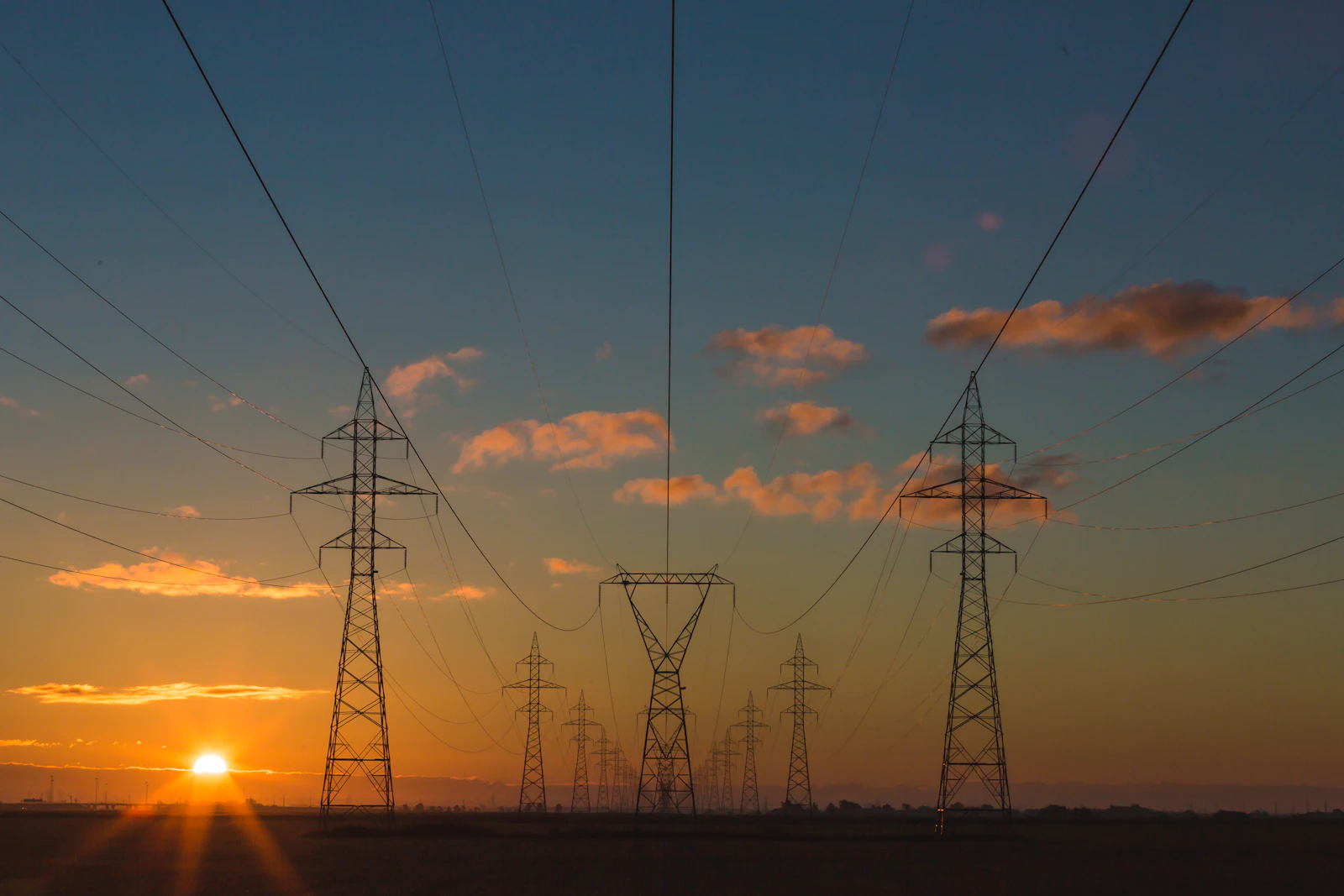
Britain’s energy future is one of the most important debates of the twenty-first century. Rising electricity demand, concerns about climate change, geopolitical instability and the need for greater energy independence have forced governments to reconsider how the nation generates power. Renewable energy has expanded rapidly over the past decade, with offshore wind and solar power becoming increasingly affordable and widespread. However, one question continues to divide opinion: should nuclear power remain part of Britain’s long-term energy strategy?
For decades, nuclear energy has generated both admiration and concern. Supporters point to its ability to produce vast amounts of electricity with extremely low carbon emissions, while critics highlight the high construction costs, radioactive waste and public concerns following accidents such as Chernobyl and Fukushima. Yet modern reactors differ significantly from those built in previous generations, and advances in engineering continue to improve safety standards.
Britain has committed itself to reducing greenhouse gas emissions while maintaining a reliable electricity supply. Renewable energy plays a central role in achieving this objective. Offshore wind farms surrounding the British coastline now generate substantial amounts of electricity, while solar installations continue to expand on homes, businesses and industrial sites. The falling cost of renewable technologies has transformed what was once considered an expensive environmental ambition into an increasingly competitive economic opportunity.
However, renewable energy has one unavoidable limitation: it depends upon the weather. Solar panels produce little electricity during winter nights, and wind turbines require suitable wind conditions to operate efficiently. Although battery technology continues to improve, storing enough electricity to power an entire nation for prolonged periods remains technically challenging and expensive. A reliable electricity grid therefore requires dependable sources of generation capable of operating regardless of weather conditions.
This is where nuclear power becomes attractive. Nuclear reactors provide consistent baseload electricity twenty-four hours a day with virtually no direct carbon emissions during operation. Unlike fossil fuel power stations, they do not rely on imported gas or coal, improving national energy security. In an increasingly uncertain world, reducing dependence on overseas energy supplies has become an important strategic objective for many governments.
Cost remains one of the biggest criticisms of nuclear power. Large-scale nuclear projects often require billions of pounds in investment and many years to complete. Construction delays have affected several projects around the world, raising understandable concerns among taxpayers and investors. Critics argue that the same money could fund significantly larger deployments of renewable energy technologies combined with battery storage and grid improvements.
Yet comparing costs is not always straightforward. Wind farms require backup generation during periods of low wind, while solar farms require electricity storage after sunset. The true cost of an electricity system includes generation, storage, transmission and reliability. A balanced energy mix may ultimately prove more economical than relying heavily upon any single technology.
Small Modular Reactors (SMRs) may also change the conversation. Unlike traditional nuclear stations, SMRs are designed to be manufactured in factories before being assembled on site. This standardised approach has the potential to reduce costs, shorten construction times and improve quality control. Britain is well positioned to become a leader in SMR technology, creating highly skilled engineering jobs while strengthening domestic manufacturing capabilities.
Renewable energy should nevertheless remain central to Britain’s energy strategy. Offshore wind is one of the country’s greatest natural advantages, with British waters offering some of the best wind resources in Europe. Solar panels have also become increasingly affordable for households and businesses, allowing consumers to generate their own electricity while reducing pressure on the national grid. Continued investment in these technologies should remain a national priority.
Energy efficiency deserves equal attention. The cheapest electricity is often the electricity that never needs to be generated. Better home insulation, modern appliances, smart energy management systems and improved building standards can substantially reduce national energy demand. Every unit of electricity saved reduces pressure on generating capacity while lowering household energy bills.
Britain also has an opportunity to develop smarter electricity networks. Advances in battery storage, electric vehicles, smart meters and artificial intelligence could transform how electricity is generated, distributed and consumed. Millions of electric vehicle batteries may one day function as distributed energy storage, helping balance supply and demand across the grid. Digital technologies could make the electricity system more flexible, resilient and efficient than ever before.
Environmental considerations must remain central throughout this transition. Climate change presents genuine long-term risks, making decarbonising electricity generation an urgent priority. However, environmental responsibility extends beyond reducing carbon emissions. Protecting biodiversity, minimising waste, preserving landscapes and ensuring responsible resource use should all form part of future energy policy.
Public trust is equally important. Large infrastructure projects often generate local opposition regardless of technology. Transparent consultation, independent regulation and honest communication about both risks and benefits help build confidence in national energy decisions. People are far more likely to support change when they believe decisions are based upon evidence rather than ideology.
Ultimately, Britain does not need to choose between nuclear power and renewable energy. The strongest electricity system may well combine both. Renewable energy can provide abundant low-cost electricity whenever natural conditions allow, while nuclear power offers stable generation during periods when renewable output falls. Combined with modern battery storage, smart grids and improved energy efficiency, such a diversified system would strengthen both energy security and environmental sustainability.
The future of Britain’s energy system should be guided by practicality rather than political tribalism. Every technology has strengths and limitations. Success will come not from placing absolute faith in any single solution but from intelligently combining multiple technologies into a resilient, affordable and low-carbon energy system capable of meeting the country’s needs for decades to come.